Connected Data to Improve Health and Community Outcomes
Connecting Health to the Broader Factors That Shape Well-Being
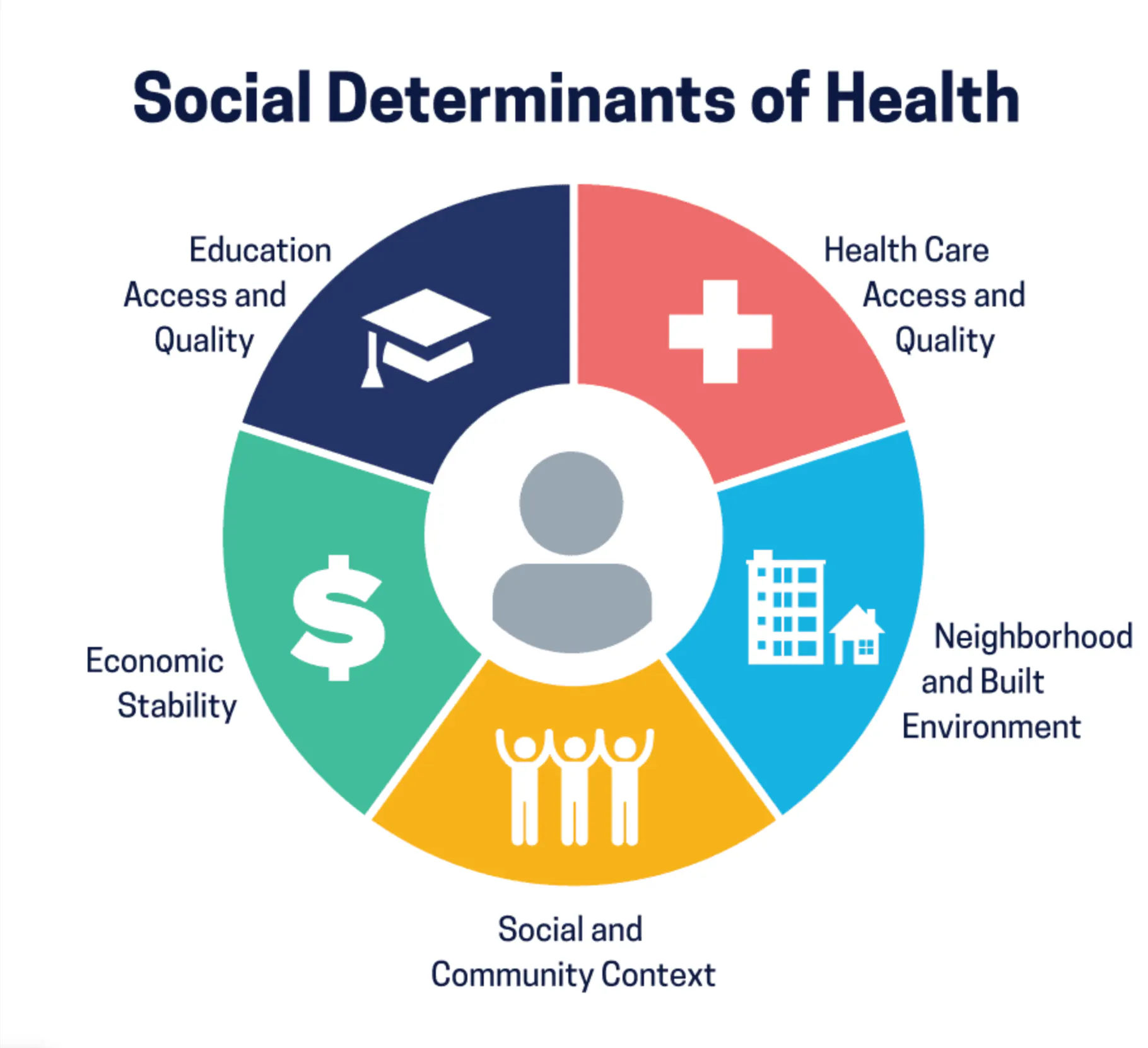
Health outcomes are shaped by much more than what happens within the health care system. Employment, housing, access to public benefits, and other economic and social conditions can all influence individual and community well-being. Yet the administrative data needed to understand these connections often remain separated across agencies and systems.
With support from the Robert Wood Johnson Foundation (RWJF), Coleridge is leading a two-year, $1.5 million project, Demonstrating the Value of Administrative Data for Statewide Equitable Data Infrastructure, to help states build a more connected view of these factors.
The project will link health data with workforce, housing, benefits, and other administrative data to generate actionable insights into how structural factors affect health outcomes and access to care.
Project Goals
Working with state and local partners, Coleridge will:
- Identify, clean, and standardize administrative health data to support secure linkage and analysis.
- Develop privacy protocols, governance frameworks, and ethical data-sharing standards.
- Connect health information with workforce, housing, benefits, and other data to better understand the factors influencing health and economic stability.
- Build the capacity of government agencies and community-based organizations through hands-on training and technical support.
- Develop interactive dashboards and other data tools that translate linked data into usable insights for decision-makers.
- Create a roadmap for replicating and scaling the approach in other states.
Building a Model for States
The project will move from establishing partnerships and governance to building and testing the infrastructure through pilot activities and evaluating what works.
By developing a replicable model for integrated administrative data, Coleridge and RWJF aim to better understand the relationships among health, economic opportunity, and other conditions that shape people's lives and strengthen states' ability to design more responsive policies and improve access to services.